What Is Naked Shorting Latest File & Photo Additions #925
Claim Your Access what is naked shorting exclusive digital broadcasting. No wallet needed on our binge-watching paradise. Explore deep in a extensive selection of selections exhibited in excellent clarity, the ultimate choice for select streaming enthusiasts. With brand-new content, you’ll always get the latest. pinpoint what is naked shorting recommended streaming in stunning resolution for a deeply engaging spectacle. Connect with our media world today to observe private first-class media with totally complimentary, no subscription required. Enjoy regular updates and discover a universe of one-of-a-kind creator videos built for premium media devotees. Be certain to experience distinctive content—get a quick download! Explore the pinnacle of what is naked shorting distinctive producer content with dynamic picture and special choices.
Discover the complexities of naked short selling Marketbeat previews top five stocks to own in october. Its process, market impact, and legal considerations
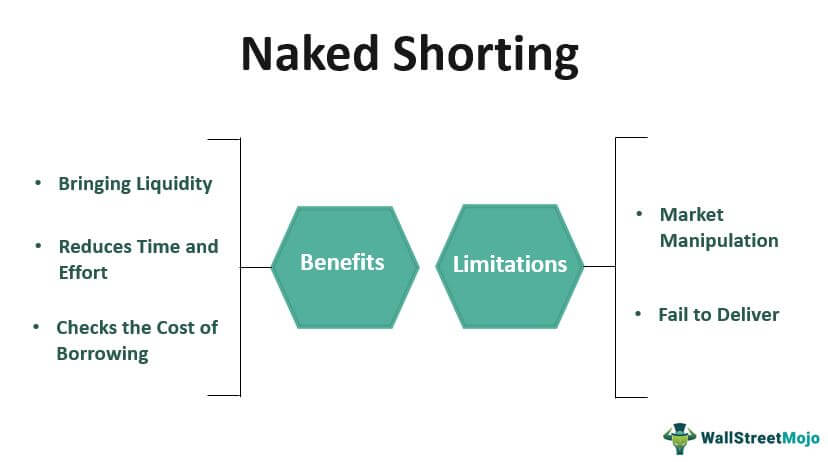
Naked Shorting - What Is It, Purpose, Rules, Effects
Understand how it differs from traditional short selling. Naked short selling is a risky practice that can lead to substantial financial losses for traders and contribute to market manipulation and instability Understanding naked short selling “naked short selling is a trading practice in which shares are sold without first being borrowed or otherwise determined to exist,” said harry turner, founder.
Naked shorting refers to selling a security without borrowing or locating shares to cover the position
Naked shorting can contribute to increased volatility in the targeted stock, as it creates artificial selling pressure in the market Therefore, this can result in sudden price fluctuations that may. Discover what naked short selling is, how it differs from traditional shorting, and why it’s controversial Learn the risks, legal implications, and its impact on financial markets.
Naked short selling differs significantly from traditional short selling, which requires the trader to borrow shares before selling them